
Rainwater
Advantages
The targeted collection of rainwater is an ecologically sensible approach and contributes to cost savings. The current daily drinking water consumption is approx. 140 liters per person. In certain areas, the use of precious drinking water can be dispensed with. Rainwater can be used for:
- watering the garden
- Flushing the toilets
- the operation of the washing machine
When used optimally, drinking water consumption can be reduced by up to 50 %.
Your savings:
- Reduced water charges due to lower drinking water consumption
- Reduced wastewater charges, as the rainwater is retained on your property
Rainwater tank as retention
The frequency of heavy rainfall is increasing and is increasingly leading to costly damage. Rainwater and retention systems serve as water reservoirs to relieve the public sewage system. In many municipalities, this protective measure is already mandatory.
Environment
- The use of rainwater conserves valuable drinking water reserves.
- Rainwater reservoirs serve as an important water reserve during dry periods.
- Rainwater is less calcareous than drinking water, which has a positive effect on machines and plants.
Function
The rainwater collected from the roof surfaces is fed into the rainwater storage tank via a filter system. A pressure-controlled pump (installed internally or externally) draws the water from below the surface and directs it to the extraction points. A pump center ensures trouble-free operation for toilet flushes and washing machines. If the tank is almost empty, a level sensor automatically switches to the drinking water supply. When the rainwater tank is completely full, an overflow directs the excess water either into an infiltration system or into the public sewage system.
Conversion
Are you planning to replace your heating system and want to put your heating oil tank to good use?
Conversion system
We offer the solution: convert your heating oil tank into a rainwater storage tank. The conversion process is simple and straightforward.
The tank conversion: procedure for conversion
Step 1:
- First, the tank is professionally decommissioned. This includes the removal of residual oil and sludge and the degassing of the tank.
Step 2:
- Steel tanks have a protective coating on the inside. This only provides short-term protection for the storage of rainwater. In order to permanently protect the tank from corrosion and prevent the release of unwanted foreign substances (paint residues) into the rainwater , the tank body must berefurbished internally .
You have two options:
- Inner tank shell
- Tank coating
The inner tank shell: a proven refurbishment option
Inner tank shell is a Custom-made foil that is installed inside the tank. It is stretched onto the tank wall like a balloon, which keeps the tank effectively protects against corrosion. By welding magnets to the outside of the foil, it is fixed to the tank wall, which means that in this closed system No separate leak monitoring is necessary.
Advantages of the inner tank cover
- This is the most cost-effective option for converting the tank.
- We have many years of experience in the professional installation of these inner casings.
- The closed system protects the original tank from corrosion damage and at the same time prevents foreign substances from the tank material getting into the rainwater.
- The use of inner casings has proven itself in heating oil tank systems over decades.
Rainwater purification
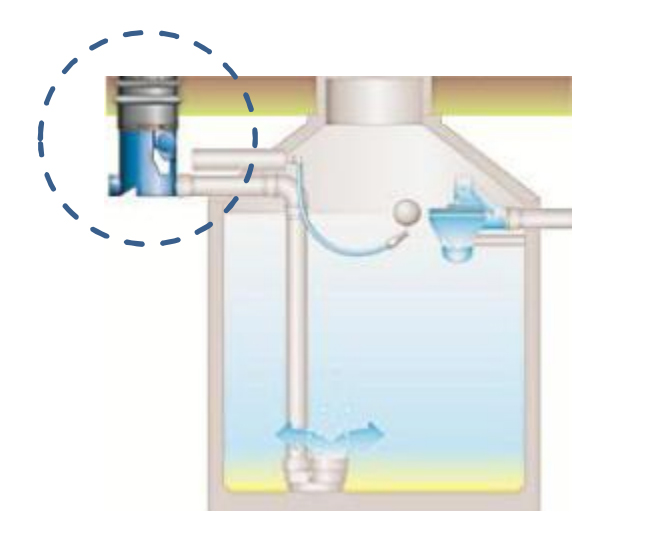
Level 1
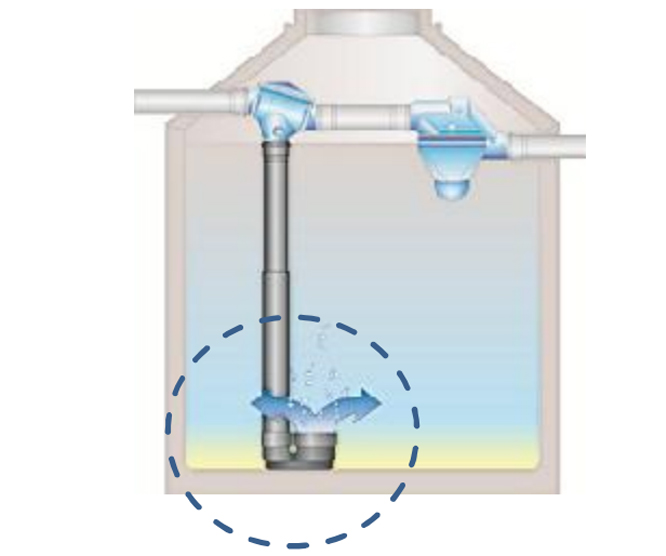
Level 2
Calmed inlet and sedimentation: The water is supplied via a calmed inlet, which maximizes the sedimentation of fine dirt particles towards the bottom of the tank. This prevents the already settled sediment layer from being stirred up. At the same time, oxygen is supplied to the lower part of the storage volume. The targeted oxygen enrichment inhibits anaerobic decomposition and ensures consistently high water quality.
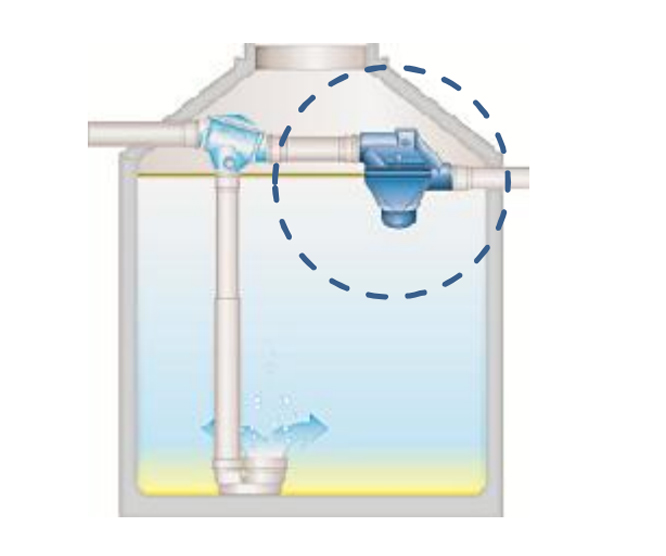
Level 3
Drainage of the floating layer (overflow siphon): Lightweight dirt particles (e.g. pollen) rise to the surface and form a floating layer. This layer is removed by a specially designed overflow siphon as soon as the cistern overflows. Regular overflowing is essential for maintaining the water quality, as it prevents the formation of putrefaction.
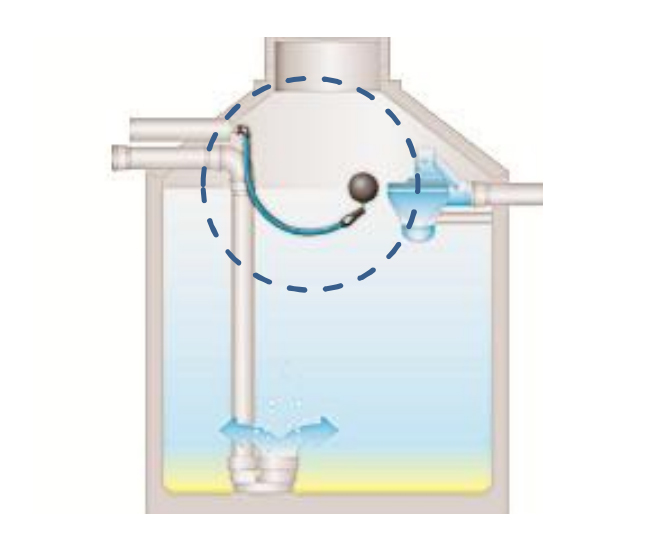
Level 4
Extraction in the clear water area: Rainwater must not be extracted at the lowest point of the cistern in order to avoid turbulence and thus the transport of sediment. For this reason, clear water must be taken from the upper regions of the cistern.
New tank system
Storing rainwater makes ecological and economic sense. We offer various systematic solutions for the installation of new tank systems:
According to the location of the system
- Underground tank systems
- Above-ground tanks (installation in the basement, in the garage, behind or to the side of a building)
According to the material of the container
- Plastic tanks
- Steel tanks
- Concrete cisterns
Professionally implemented rainwater systems guarantee water quality that is fully adequate for all legally approved and recommended areas of application. We work with you to design the best possible solution.
Maintenance
Rainwater systems are low-maintenance in their basic structure. However, depending on the degree of contamination of the collected water, periodic cleaning of the storage tank is recommended. This serves to eliminate sediment and ensure trouble-free operation in the long term.
Tank cleaning procedure:
- The water in the cistern is pumped out using a suction truck.
- The tank is then professionally cleaned internally.
- Finally, a minimum quantity of water is returned to the tank in order to immediately restore the functionality of the delivery system (suction).

Do you have any questions or would you like a personal consultation? Contact us – together we will find the best solution for you.
Accessories
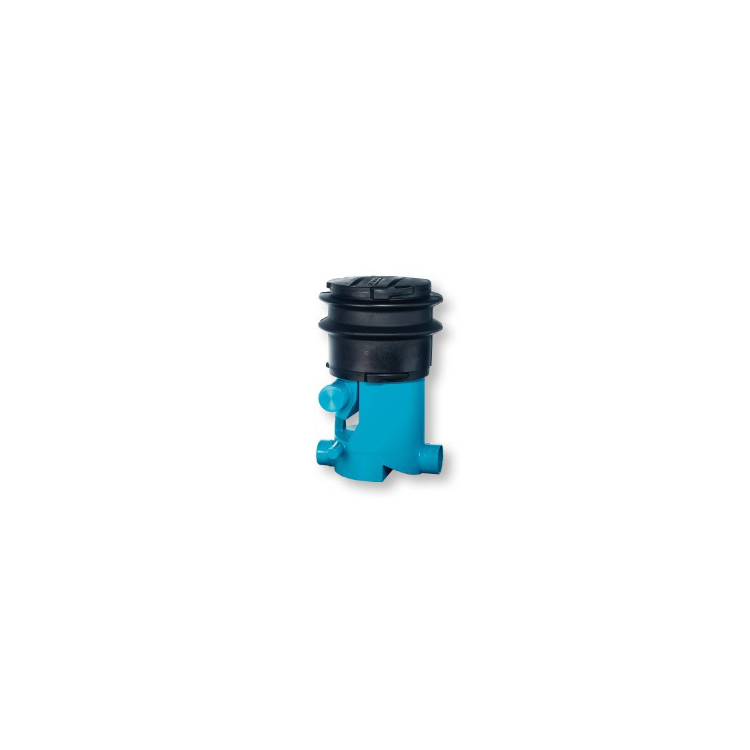
Filter
The filter sets the First cleaning stage of the overall system. It separates the coarse dirt particles from the rainwater flowing in from the roof. The cleaned water flows into the cistern. The filtered residues are either flushed into the sewage system by a small amount of water or collected in a sieve.
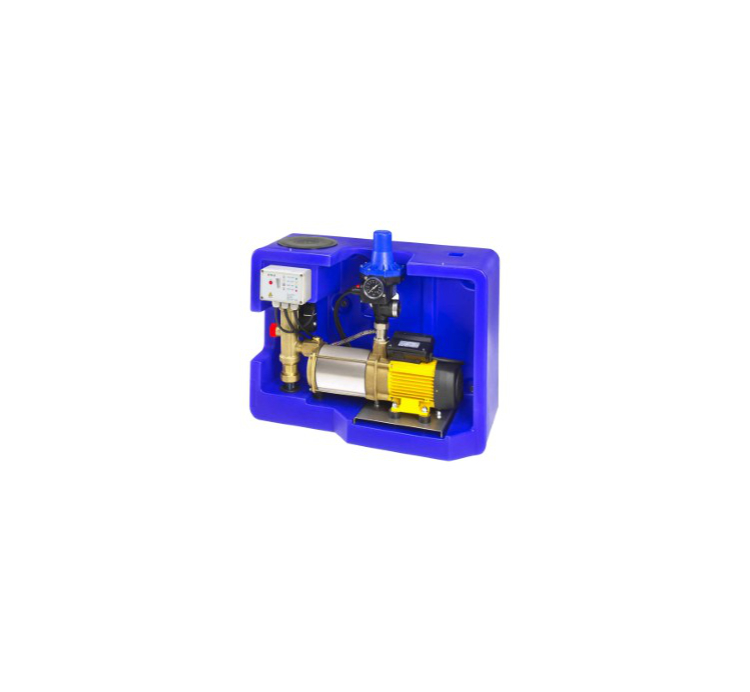
System Center
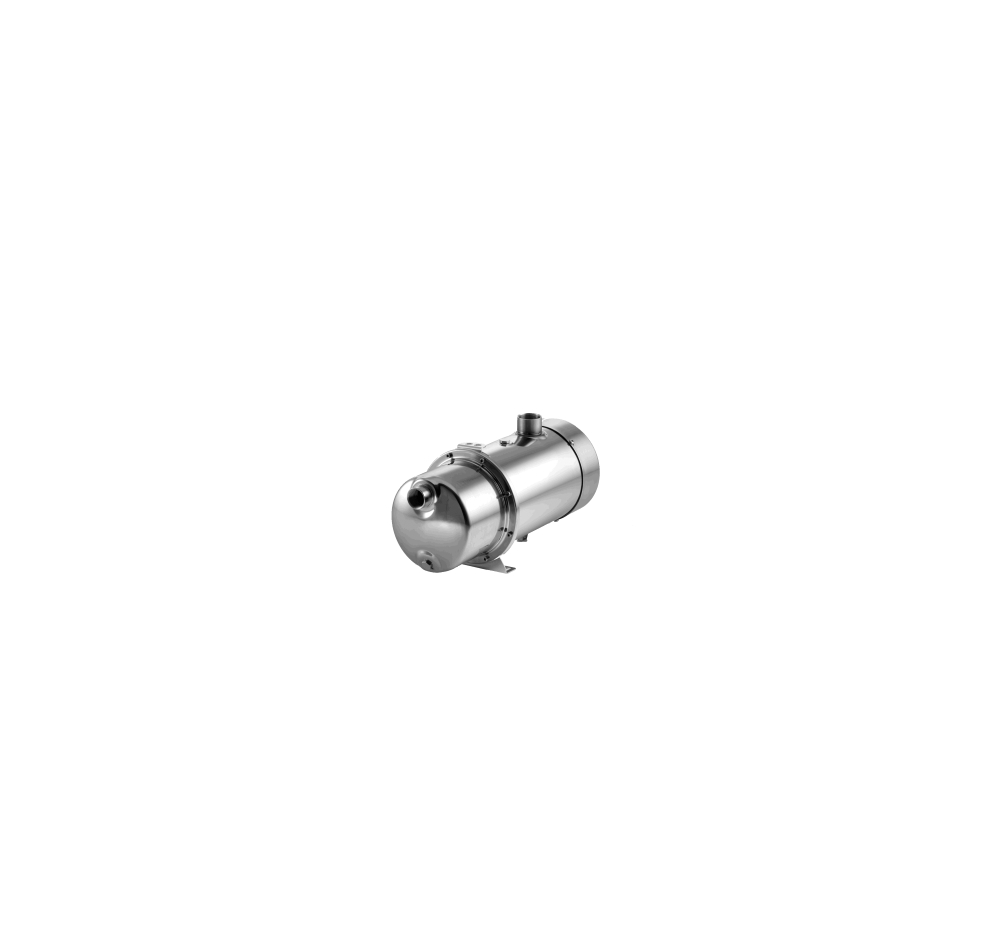
Feed pump
Do you have any questions or would you like a personal consultation? Contact us now – together we will find the best solution for you.

Frequently asked questions
Can rainwater be used for showering or washing dishes?
No. The use of rainwater is intended for watering the garden, flushing the toilet and the washing machine.
Are there any advantages to using rainwater for washing?
Yes, because it is soft, virtually limescale-free water. This results in a reduction in detergent consumption of up to 50% and is easy on pipes and the washing machine.